
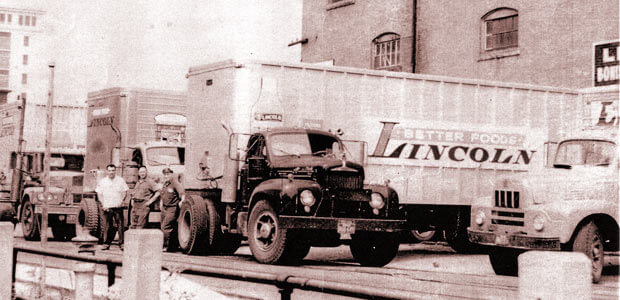
The Golden Age of Trucking: Post-WWII Boom
After World War II, the U.S. experienced a manufacturing boom fueled by consumer demand and economic growth. The federal government invested heavily in highway construction, including the landmark Federal-Aid Highway Act of 1956, which established the Interstate Highway System. This new infrastructure facilitated faster and more extensive trucking routes, giving rise to long-haul trucking as we know it today.
Lily, which had by then solidified its position as a key player in local Northeast logistics, leveraged this new infrastructure to expand its service capabilities. The company’s fleet grew exponentially, as highlighted in its company history, adapting to the evolving needs of manufacturers seeking faster, more reliable transport solutions.
Deregulation and the Rise of Freight Logistics
The Motor Carrier Act of 1980 deregulated the trucking industry, leading to increased competition and lower shipping rates. This era also marked the beginning of specialized trucking services, including refrigerated transport and LTL delivery models. Lily’s strategy during this period involved embracing technological advancements in fleet management and optimizing routes for efficiency, as discussed on the Lily Company History page.
The Digital Revolution: Modern Trucking and Manufacturing
The turn of the millennium brought about the digital revolution, reshaping both trucking and manufacturing. GPS tracking, advanced fleet management software, and data analytics became essential tools in the logistics sector. Lily embraced these innovations early on, integrating data-driven solutions to enhance delivery accuracy and reduce operational costs. The expansion of dedicated contract carriers across the US made Lily ripe for growth. Major US Industries such as food, automotive, retail, medical, manufacturing, and others looked to outsourcing trucking and transportation. Lily was the ideal candidate for those who wanted the best service possible.
The Future of Trucking and Manufacturing
As the manufacturing sector continues to evolve, so too does the logistics industry. Companies like Lily are at the forefront of this transformation, investing in new technologies, AI-driven route optimization, and advanced fleet management systems. Lily’s commitment to innovation is a driving force behind its sustained success, making it a vital partner for manufacturers looking to streamline their supply chains.
In conclusion, the history of trucking and manufacturing in the United States is a testament to the power of innovation and adaptation. From the second World War to the digital revolution of today, companies like Lily have consistently adapted to industry changes, positioning themselves as leaders in logistics and fleet management. The future promises even more advancements, and Lily will be there alongside your business ensuring that your product makes it from A to B in the most safe and effective way possible. Look no further than the company named after mom!
