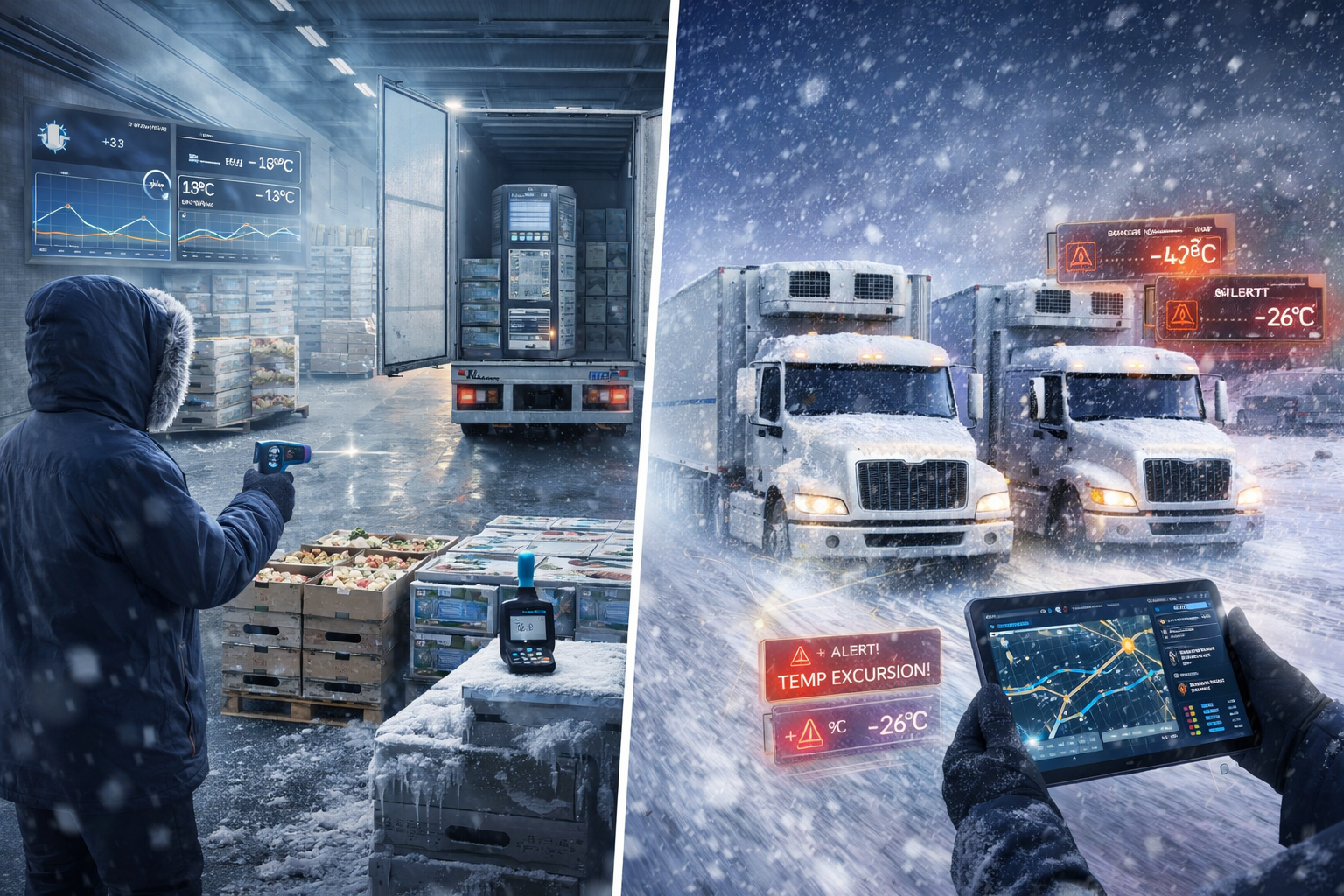
Cold Chain Confidence: Building Temperature-Controlled Logistics That Never Break
Winter is when temperature control is truly tested. Holiday surges, tight delivery windows, and unpredictable storms can turn a routine shipment into a high stakes operation. If you ship food, beverages, or pharmaceuticals, you need a cold chain that is engineered to hold up under pressure. This guide gives you a step-by-step playbook to design and operate a resilient program in Q4 and the winter months, along with a partner validation checklist and KPI dashboard examples you can put to work today.
Start with the basics: what a cold chain is and why it matters
A cold chain in logistics is the end-to-end system that keeps temperature sensitive products within a defined range from origin to final delivery. It includes packaging, storage, handling, and transportation steps, supported by monitoring and documentation. Temperature controlled shipping is the execution of that system in transit, using equipment and processes that maintain conditions like frozen, chilled, or controlled room temperature.
Which cargo requires temperature controlled transportation? Typical categories include:
Perishable foods: dairy, meat, seafood, produce, frozen items
Beverages: craft beer, dairy alternatives, juices
Pharmaceuticals and biologics: vaccines, insulin, specialty injectables, blood products
Chemicals and lab reagents that are heat or freeze sensitive
Cosmetics and nutraceuticals with stability requirements
Vaccines that need a cold chain include mRNA vaccines that typically require ultra low temperatures, many routine childhood vaccines that need 2 to 8°C, and some formulations that require frozen conditions. Always follow the product label and governing guidance, then validate with your QA team.
Use the Four R’s to frame your program
The Four R’s of cold chain help you build discipline:
Right temperature: define ranges by SKU and lane, from deep frozen to CRT
Right equipment: match packaging, trailers, and sensors to the risk profile
Right handling: standardize loading, sealing, and delivery procedures
Right documentation: maintain proof of control for audits and recalls
Keep these points visible in every SOP and on your dashboard.
Step 1: Lane profiling and seasonal risk mapping
Profile each lane before peak season:
Temperature bands and setpoints, including pre-cool requirements
Transit time by day of week and service level, plus buffer time for winter
Hand-off points: cross docks, DCs, consignees, airport or port interfaces
Weather and altitude risks, freeze exposure risk, and dwell time hotspots
Capacity stressors in Q4: holiday closures, driver availability, delivery appointment congestion
Translate the profile into a control plan. Add contingency carriers or modes for the lanes with the highest exposure.
Step 2: Packaging and equipment selection
Choose solutions that protect the product, not just the trailer:
Packaging: insulated shippers, phase change materials, gel packs, dry ice, thermal blankets
Trailer types: reefers with multi temp zones, bulkheads for mixed loads, air chutes for even airflow
Palletization: airflow friendly stacking, slip sheets to avoid floor freeze, cornerboard to protect cartons
Sensors: data loggers, Bluetooth or cellular devices, door open sensors, real time GPS with temperature telemetry
For winter, evaluate freeze protection for beverages and liquids that cannot drop below 32°F. Consider thermal quilts, higher setpoints with more frequent monitoring, and protect during dock dwell with portable heaters or warmed staging zones.
Step 3: Real time visibility and alerting
Real time visibility is your early warning system. Equip shipments with devices that report temperature, location, and door activity. Set alerts for out of range temperatures, prolonged dwell, route deviations, and late appointment risk. Integrate status into your control tower or TMS so your team can act quickly. If you use a partner, confirm they can provide live data and historical audit trails.
Step 4: SOPs for excursions and winter contingencies
Excursions happen. The difference is how fast you respond. Build a rapid response SOP that includes:
Decision trees by product: when to hold, rework, or destroy
Roles and escalation paths across QA, operations, and the carrier
On the road actions: adjust setpoint, move product away from vents, refuel or swap equipment, re-ice
Winter contingencies: storm rerouting, overnight secure parking, tire chains policy, and terminal transfers that maintain temperature control
Documentation: time stamped notes, sensor downloads, photos of seals and thermographs
Test the SOP with tabletop drills before the first snow arrives.
Step 5: Audit ready documentation
Auditors look for proof, not promises. Maintain:
Validated lane profiles and packaging qualifications
Pre trip and post trip inspections, fuel and setpoint records, seal numbers
Calibrations for sensors and trailer probes
Chain of custody logs at every hand-off
Exception records, root cause analyses, and corrective actions
Keep records organized by lane and product family so you can respond quickly to customer or regulatory requests.
The risks of cold storage and how to mitigate them
Cold storage risks include temperature excursions from compressor failure, icing that blocks airflow, door management issues, and microbial hazards caused by improper sanitation. There is also slip and fall risk, forklift visibility issues in low light, and product damage from condensation. Mitigation steps:
Preventive maintenance and backup power plans
Door discipline, strip curtains, and staged picking to minimize open time
Racking inspections and airflow audits
Sanitation SOPs that cover defrost cycles and moisture control
Safety training that focuses on winter footwear, three points of contact, and visibility
Validate your partners: the quick checklist
Use this list when vetting 3rd party partners in peak season:
Equipment: late model reefers, multi temp capability, documented PM schedules, calibrated probes
Technology: live temperature and GPS feeds, shareable dashboards, alerting and audit exports
SOPs: written loading procedures, seal control, fuel management, winter weather policy
Compliance: FSMA, GDP for pharma where applicable, driver training records, clean inspection history
Capacity: surge coverage in Q4, drop trailer options, on call maintenance
Claims and QA: excursion response plan, root cause process, CAPA documentation
References: similar commodities and lanes, service performance proof
KPI dashboard examples to keep you on track
Build a simple but disciplined KPI set:
On time percentage by lane and customer appointment type
Temperature compliance rate, shipments with zero excursions, average excursion duration
Dwell time at origin and destination, plus yard time
Trailer utilization, multi temp cube usage, fuel stops per trip
Incident rate, sealed load variance, corrective action closure time
Cost per order and cost per mile alongside service metrics
Review weekly in peak season. Daily during storms.
How to improve supply chain efficiency without risking control
You can improve supply chain efficiency by standardizing lanes, right sizing equipment, and eliminating avoidable dwell. Use packaging that matches the risk so you do not over engineer low risk lanes. Consolidate orders to optimize cube where possible. Deploy real time visibility to prevent problems instead of paying to fix them later. Tighten appointment discipline with pre-booked windows. Where volumes justify it, consider dedicated transportation with drivers trained to your SOPs and setpoints.
Where Lily fits in your winter plan
Since 1958, Lily Transportation has designed dedicated logistics systems for temperature sensitive operations, on time, on budget, every time. If you need guaranteed capacity, disciplined SOPs, and a single accountable team, Lily’s dedicated transportation solutions combine trained drivers, late model refrigerated equipment, and live visibility tailored to your lanes. When surge coverage or one off lanes spike during Q4, Lily’s brokerage network provides compliant refrigerated FTL with vetted partners and real time monitoring.
If you are aligning your network for the holidays, you may also benefit from:
Cold chain solutions for food and beverage programs that rely on precise temperature control
Temperature-controlled shipping with real time visibility and audited documentation
Brokerage support for ftl transportation when your dedicated assets are fully committed
Summary: your cold chain, built for winter
A resilient cold chain starts with clear definitions, disciplined lane profiles, and the Four R’s. It is powered by the right mix of packaging, equipment, and live data. It stays compliant with SOPs that anticipate excursions and winter weather. It is proven through audit ready records and a partner bench you trust. Put the checklist to work, track the KPIs that matter, and lean on partners who live this every day. When you are ready to strengthen your program for peak season and beyond, Lily Transportation is here to help with dedicated coverage and flexible surge capacity.