
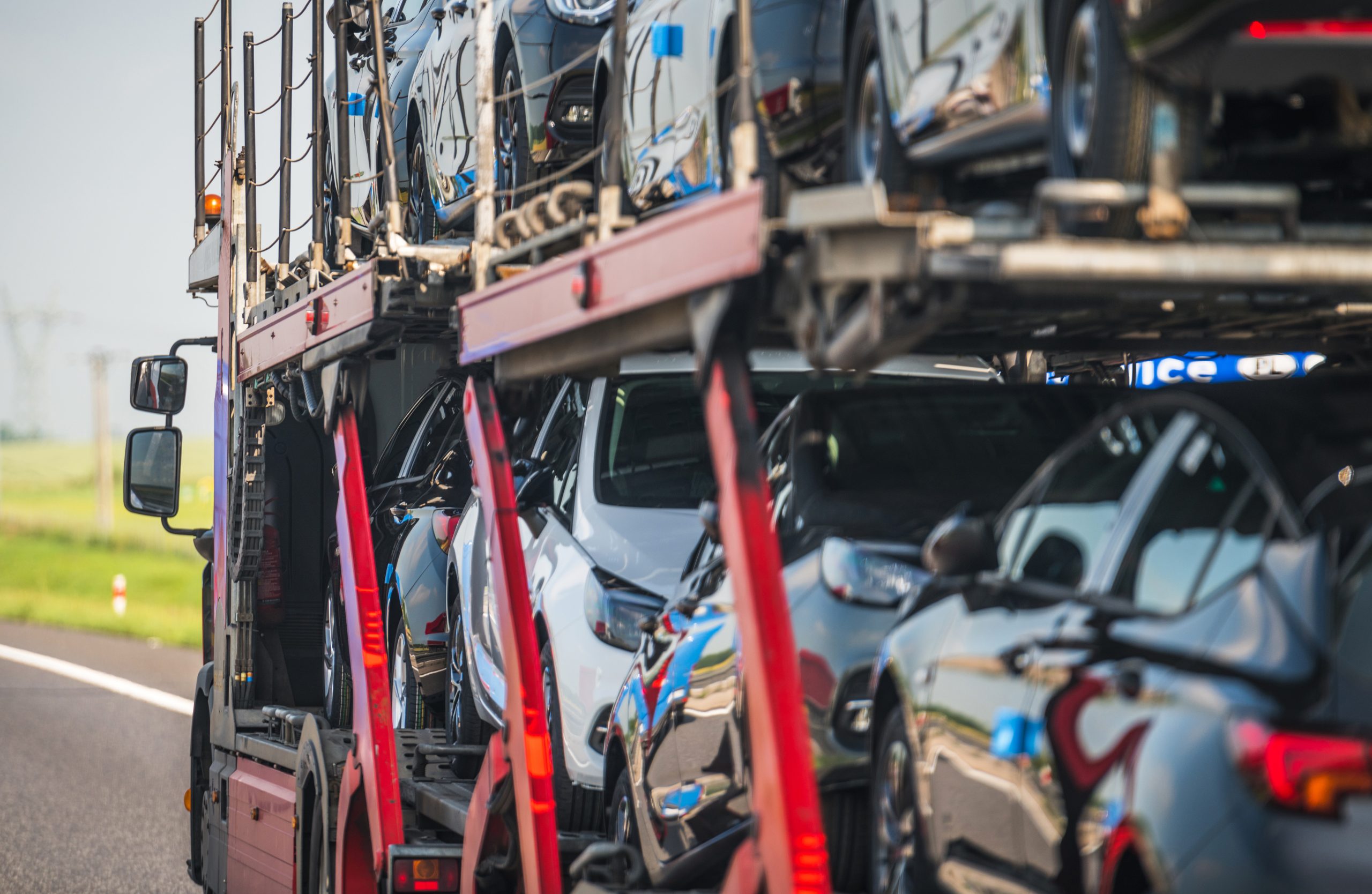
The automotive industry is built on precision and timing. Cars, trucks, and parts move through a tightly coordinated supply chain before they ever reach the showroom floor. From assembly lines to dealership lots, transportation plays a crucial role in ensuring vehicles are delivered on schedule and in perfect condition. Dedicated fleet solutions are helping manufacturers and dealerships streamline this process, creating a smoother journey from factory to customer.
The Unique Demands of Automotive Logistics
Moving automobiles is very different from shipping other goods. Vehicles require specialized equipment, trained drivers, and strict safety protocols. Timing is everything—any delay in transport can disrupt dealership launches, sales promotions, or customer deliveries.
Dedicated fleets address these challenges by providing guaranteed capacity and routes tailored to automotive supply chains. Instead of relying on spot carriers that may not understand industry requirements, manufacturers and dealerships gain consistency and control over every shipment.
How Dedicated Fleet Solutions Create Efficiency
Automotive transportation benefits from dedicated fleets in several key ways:
- Consistency of service that ensures vehicles arrive when dealerships expect them
- Specialized training for drivers who understand handling and safety requirements
- Streamlined communication between manufacturers, carriers, and dealerships
This combination not only reduces risk but also improves efficiency, helping automotive brands deliver vehicles more quickly to customers who are eager to get behind the wheel.
Supporting Careers in Automotive Logistics
The strength of any dedicated fleet depends on the people behind the wheel and the teams managing operations. For professionals seeking meaningful opportunities, automotive logistics offers stability and advancement. Companies like Lily are committed to building careers that combine technical expertise with long-term growth.
By exploring career opportunities at Lily, drivers, technicians, and logistics specialists can see how dedicated fleet solutions translate into rewarding work within the automotive sector. Predictable schedules, consistent assignments, and ongoing training make this path attractive for those who want a reliable future in transportation.
Honoring Veterans in Logistics
Many of the qualities that define success in automotive logistics—discipline, reliability, and attention to detail—are also hallmarks of military service. That’s why Lily actively recruits through its veteran hiring initiatives. Veterans transitioning to civilian careers bring valuable skills to dedicated fleet operations, whether as drivers, mechanics, or managers.
This commitment strengthens both the workforce and the overall supply chain, ensuring that the vehicles moving from factories to dealerships are handled by professionals who understand responsibility and precision.
The Value of History and Experience
Automotive manufacturers need partners with a proven track record. Logistics mistakes can be costly, damaging both inventory and reputation. Lily’s long history of delivering reliable fleet solutions is a key reason companies trust them with critical transportation needs.
By looking at the history of Lily Transportation, it’s clear that decades of experience have shaped an approach built on innovation, safety, and customer service. That legacy carries into today’s automotive supply chains, where reliability is not optional—it’s essential.
Wrapping It Up
From factory floors to dealership lots, the movement of vehicles is a process that demands precision, safety, and reliability. Dedicated fleet solutions meet these demands by providing consistent service, specialized expertise, and the people needed to make it all work.
For manufacturers and dealerships, partnering with Lily Transportation means gaining a logistics partner with deep industry experience, strong career development programs, and a commitment to supporting veterans. By combining these strengths with a history of excellence, Lily ensures that automotive supply chains run smoothly—delivering vehicles where they need to be, when they need to be there.
