Summer heat exposes every weak point in a cold chain. Refrigerated trailers work harder, docks run hotter, and holiday demand stretches people and processes. Food and beverage freshness and pharmaceutical potency depend on one thing, and one thing only, tight temperature control with proof at every handoff.
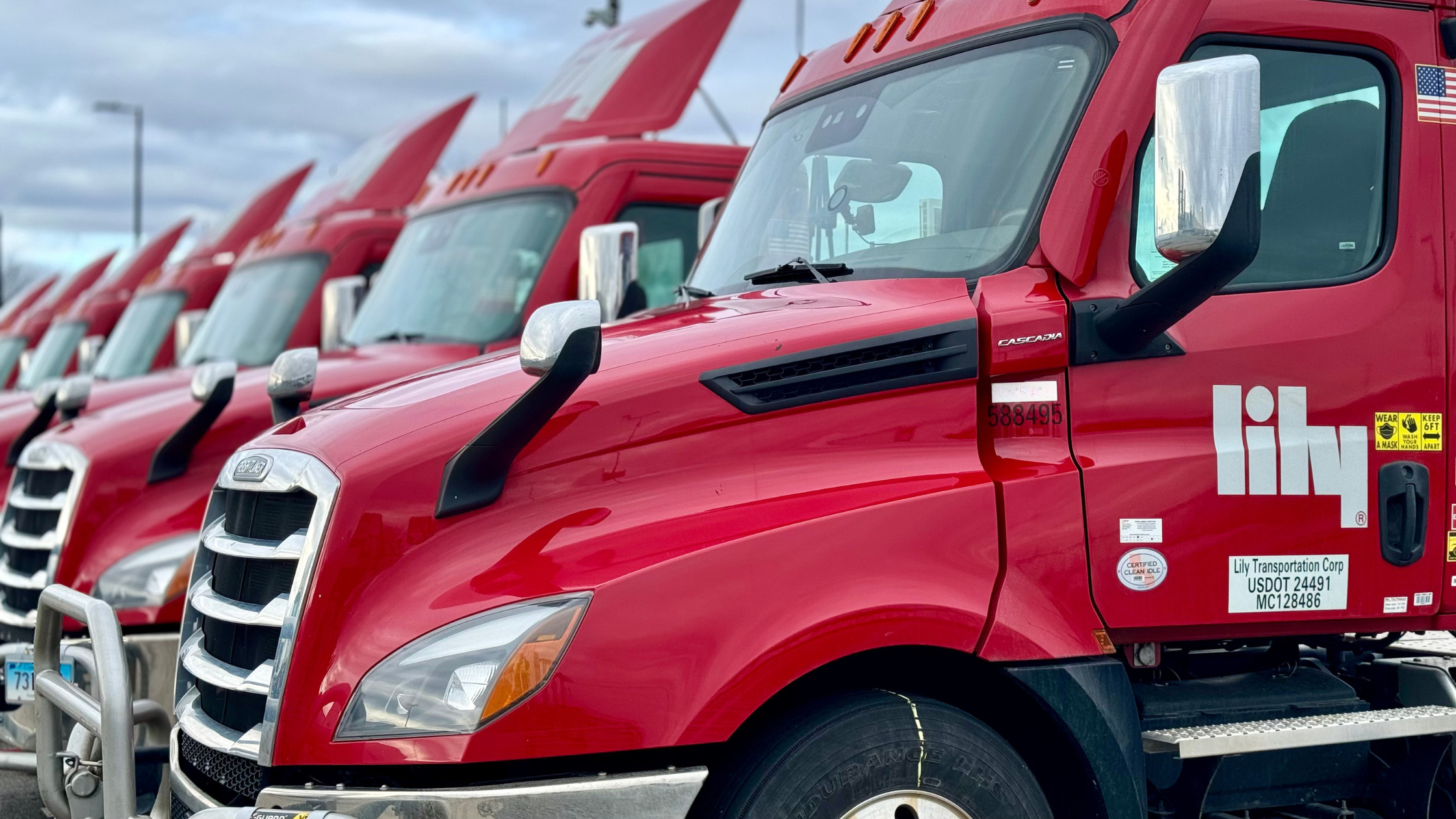
Lily Transportation designs cold-chain systems that perform under stress. Since 1958, our approach has been the same, engineer the operation first, then scale it with dedicated people, equipment, and technology. If you are preparing for July heat or back-to-school surges, this guide outlines the FSMA-ready, HACCP-aligned practices that keep product safe, auditors satisfied, and customers confident.
What temperature-controlled shipping really means
Temperature-controlled shipping uses insulated or actively refrigerated equipment to keep cargo within a validated temperature range from pickup to delivery. In practice, it is more than a reefer switch. It is a managed control plan with trailer pre-cool, locked setpoints by commodity, airflow verification, continuous data logging, geofencing, and documented chain of custody. When done right, it prevents temperature excursions and provides evidence that you controlled risk at each step.
Which cargo requires it? Perishable foods such as dairy, produce, meat, seafood, and frozen items; beverages including kombucha, juices, and beer that are sensitive to heat; and pharmaceuticals such as vaccines, biologics, and many specialty drugs that must stay within strict ranges. Some cosmetics, chemicals, and nutraceuticals also require controlled temperatures to preserve efficacy and shelf life.
Cold chain in logistics, defined and operationalized
A cold chain is the end-to-end system that maintains required temperatures from origin to final delivery. It spans storage, handling, transportation, and every control point between those steps. An audit-ready cold chain is documented and repeatable. Lily aligns to FSMA and HACCP principles with:
- Validated SOPs that specify setpoints, pre-cool durations, sensor calibration intervals, and corrective actions
- Trailer pre-cool and verified lockout of temperature setpoints by commodity and lane
- Airflow and load placement standards, including return-air clearance and pallet spacing
- Continuous data logging with calibrated telematics, driver pre-trip checks, and en route verifications
These controls form the backbone of a cold chain solution, a coordinated set of processes, equipment, and oversight that reduce waste, protect quality, and simplify compliance.
Summer risk scenarios you must plan for
Heat introduces three predictable risks, all preventable with engineered workflows.
- Door-open dwell at docks. Long staging or loading times with doors open can spike return-air temperatures. Lily counters with door discipline, dock scheduling that sequences cold loads, and extended dock hours to cut wait time. If a delay occurs, drivers document the event, maintain reefer at high-idle continuous mode as required, and capture time-stamped temps to prove control.
- Hot lanes and slow traffic. Southbound and desert corridors, afternoon urban congestion, and mountain grades stack thermal load on units. Lily routes around peak heat when feasible, uses geofenced alerts for known hot zones, and shifts departure times. If real-time temp trends rise toward thresholds, dispatch triggers a mid-route verification stop or transfer per SOP before quality is compromised.
- Heatwaves and surge volatility. Network-wide heat pushes equipment to limits while volumes spike. Lily pre-positions assets, deploys drop trailers to cut door time, and supplements dedicated fleets with asset-backed brokerage for overflow. If capacity tightens, our escalation protocol prioritizes high-risk commodities and vaccine courier windows to preserve clinical and food safety first.
Corrective action, before product is at risk
FSMA-ready means you do not wait for a breach. Lily uses continuous monitoring and exception playbooks so the team knows exactly what to do next:
- Trend deviation detected, verify sensor health, compare return-air, discharge-air, and in-box probes, then validate with a manual check
- Adjust unit mode per SOP (continuous vs start-stop), confirm fuel and condenser cleanliness, and reduce door cycles
- If thresholds approach excursion, initiate contingency, priority door-at-next-stop, alternate cross-dock, or equipment swap
- Document steps with time-stamped records, photos where required, and signatures to preserve chain of custody
These workflows are trained, drilled, and audited. The result is fewer excursions and faster, cleaner audits.
Airflow and load placement, where most excursions start
Even perfect setpoints can fail with poor airflow. We engineer spacing at the nose and sidewalls, maintain 4 to 6 inches of return-air gap, avoid blocking floor channels, and use load locks that do not crush cartons. For mixed-temp LTL, we zone by commodity and risk profile, validate with multi-probe logging, and sequence deliveries to limit door time on the most sensitive pallets.
Data, geofencing, and chain of custody that stands up in an audit
Compliance is proof. Lily integrates telematics, ELD, and geofencing to create an unbroken record: trailer pre-cool time and target, actual temperatures through pickup, sealed-door photos, signatures at each handoff, georeferenced dwell, and POD with final temp. Roadside Inspection mode and automatic log transfer streamline interactions without exposing private data. Your quality team receives clean, searchable records that align to HACCP verification.
For broader network improvements that tie cold chain to planning and visibility, see our logistics management overview and how it connects to engineered, third-party logistics providers if you manage multi-mode programs. Explore these resources if helpful:
Summer surge controls, a quick checklist
Use this list to harden your operation before the next heat spike:
- Pre-positioned reefers and genset-equipped trailers at high-risk DCs and stores
- Trailer pre-cool verification scanned to the load file before doors open
- Drop-trailer programs at key origins to shorten door-open dwell
- Extended dock hours and sequenced appointments to load cold freight first
- Surge staffing, including night shifts to avoid hot-lane departures
- Contingency lanes and approved alternates for equipment swaps and cross-docks
Short vignettes from the field
Holiday ice cream surge. Volumes doubled over a 10-day window across southern lanes during a heatwave. We staged drop trailers with validated pre-cool, locked setpoints at -20 F for deep-frozen SKUs, and shifted linehauls to nighttime. Geofenced alerts flagged three extended dock holds caused by last-minute store pulls. Drivers followed door-discipline SOPs, units ran continuous, and dispatch executed priority door-at-next-stop for two loads. Outcome, zero excursions, on-time delivery rates held above target.
Vaccine courier windows. A regional clinic network required 2 to 8 C control with 3-hour delivery windows across metro congestion. We validated equipment calibration weekly, staged backup reefers, and used dual-sensor logging with real-time alerts. One vehicle encountered an unexpected protest closure. The team executed contingency routing, pre-alerted consignee, and performed a sealed transfer within the time window with full chain-of-custody documentation.
FAQ, quick answers to common questions
- What is temperature-controlled shipping? It is the use of insulated or refrigerated equipment and documented procedures to keep cargo within a validated temperature range from origin to delivery, with continuous monitoring and proof of control.
- Which cargo requires temperature-controlled transportation? Perishable foods, frozen goods, beverages sensitive to heat, pharmaceuticals such as vaccines and biologics, and select chemicals, cosmetics, and nutraceuticals.
- What is a cold chain in logistics? The end-to-end, temperature-managed system, including storage, handling, transport, and audits that maintain required temperatures with verifiable records at every handoff.
- What are the risks of cold storage? Inadequate airflow, door-open dwell, mis-set or unlocked setpoints, sensor drift, equipment failure, and heatwaves that increase thermal load. Strong SOPs, preventive maintenance, and continuous logging mitigate these risks.
- What is a cold chain solution? A coordinated set of SOPs, people, equipment, and technology, aligned to FSMA and HACCP, that prevents excursions and supplies audit-ready documentation across the entire journey.
If you are evaluating dedicated capacity to execute these controls day in and day out, you can explore Lily’s cold chain logistics capabilities here: LilyFood Logistics | Food and Beverage Logistics
Why Lily for an audit-ready summer
Lily’s Dedicated Contract Carriage model embeds on-site leadership, branded equipment, and trained drivers who know your lanes and dock realities. We bring validated SOPs, trailer pre-cool and setpoint lock, airflow and load-placement verification, continuous data logging, geofencing, and sealed chain-of-custody documentation. Surge playbooks cover pre-positioned assets, drop trailers, extended dock hours, and 24/7 exception management. When the heat rises, the system holds.
For shippers planning route redesigns or considering dedicated transportation to stabilize dock-to-door flow, our team can also align broader supply chain solutions that improve reliability and reduce waste. Learn more about how supply chain management services support resilience: LilyDedicated Carrier Services | Transportation Services
Summary and next step
Summer is not a surprise, it is a stress test. An engineered, FSMA-ready, HACCP-aligned cold chain uses validated SOPs, pre-cool and locked setpoints, airflow discipline, continuous data logging, geofencing, and sealed chain-of-custody records to prevent excursions and simplify audits. With Lily Transportation, you get a safety-first, operations-led partner who plans for risk and proves performance.
Book a temperature-controlled readiness review with Lily. We will assess your lanes, equipment, SOPs, and surge playbooks, then recommend practical upgrades you can implement before the next heatwave. We are ready when you are.